Explore our comprehensive nutrition guides and dietary strategies for optimal men's health
The information on this site is for educational purposes only and does not constitute medical advice. Always consult a qualified healthcare professional before making health decisions.
Nutrition & Dietary Resources for Men
Discover evidence-based nutritional guidance, meal planning strategies, and supplement information tailored to men's health goals. Our comprehensive collection covers everything from muscle development and weight management to cardiovascular wellness and sustained energy.

Browse by Category
Filter our resources by topic area
Featured Nutrition & Dietary Guides
Comprehensive articles and resources for men's nutritional wellness

Complete Protein Guide for Muscle Development
Learn how to structure your protein intake across the day to support muscle growth and recovery. Discover optimal protein sources, timing strategies, and how to calculate individual protein requirements based on your training goals.
Read More
Strategic Carbohydrate Timing for Peak Performance
Understand the role of carbohydrates in energy production and athletic performance. Explore pre-workout, intra-workout, and post-workout carbohydrate strategies designed to maximize training capacity and enhance recovery.
Read More
Essential Fats and Cardiovascular Wellness
Discover the importance of healthy fats in men's nutrition, including omega-3 fatty acids, monounsaturated fats, and their impact on cardiovascular health. Learn which sources to prioritize and how to balance fat intake with overall dietary goals.
Read More
Critical Micronutrients for Optimal Health
Explore essential vitamins and minerals for men's health, including zinc, magnesium, vitamin D, and B-complex vitamins. Understand their functions, food sources, and how dietary gaps might be addressed through informed nutrition planning.
Read More
Evidence-Based Approaches to Body Composition
Learn nutritional principles for sustainable body composition management. Discover caloric balance concepts, nutrient density strategies, portion control methods, and how to maintain results through long-term dietary adjustments.
Read More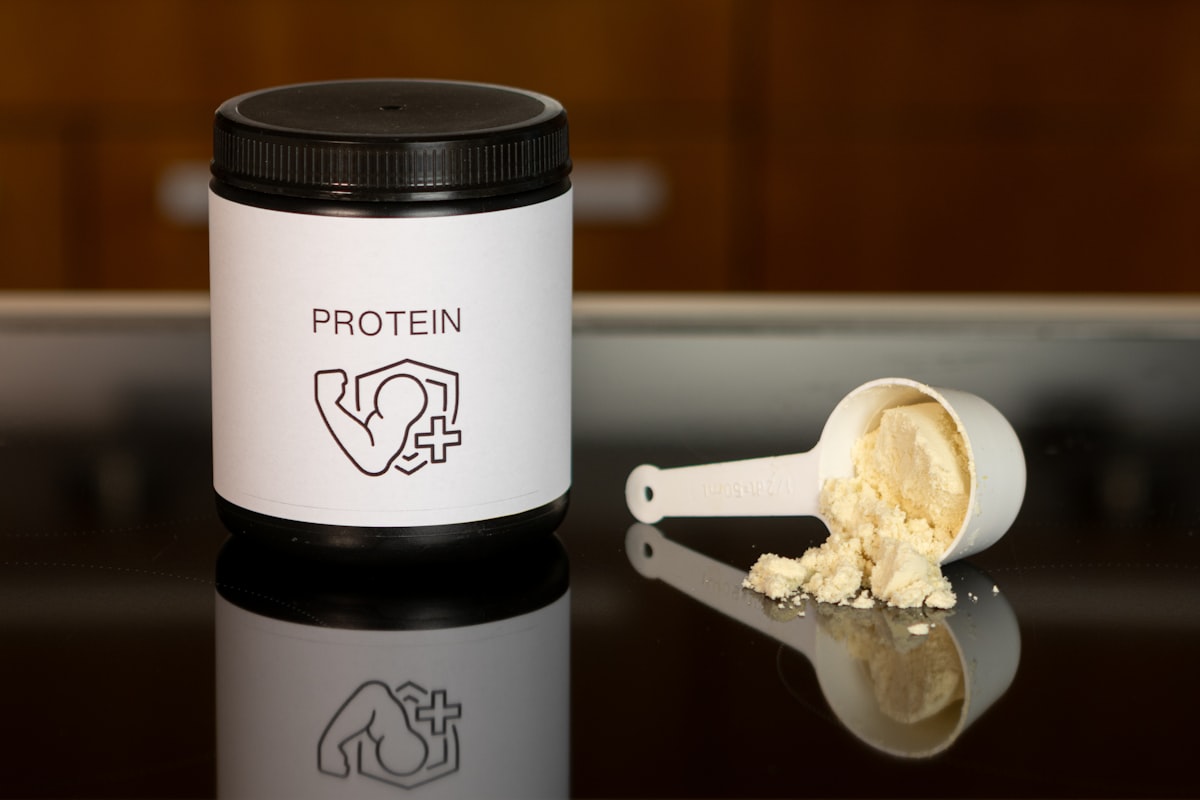
Hydration Science and Electrolyte Balance
Understand the critical role of water and electrolytes in athletic performance and daily health. Explore hydration recommendations, signs of dehydration, electrolyte functions, and strategies for optimal fluid intake during various activities.
Read More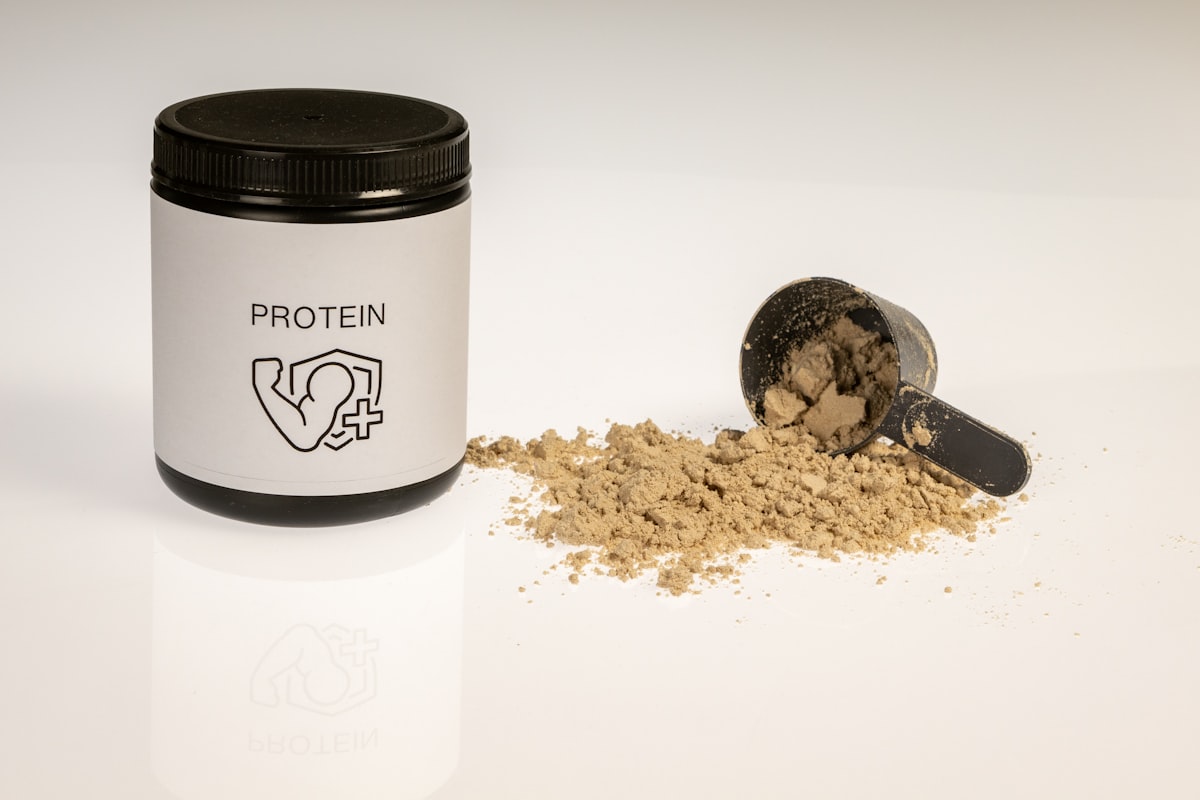
Periworkout Nutrition Strategies
Optimize your nutrition around training sessions. Learn evidence-based timing for meals and supplements, nutrient combinations that support performance, and recovery protocols. Discover how to structure nutrition to maximize training adaptations and results.
Read More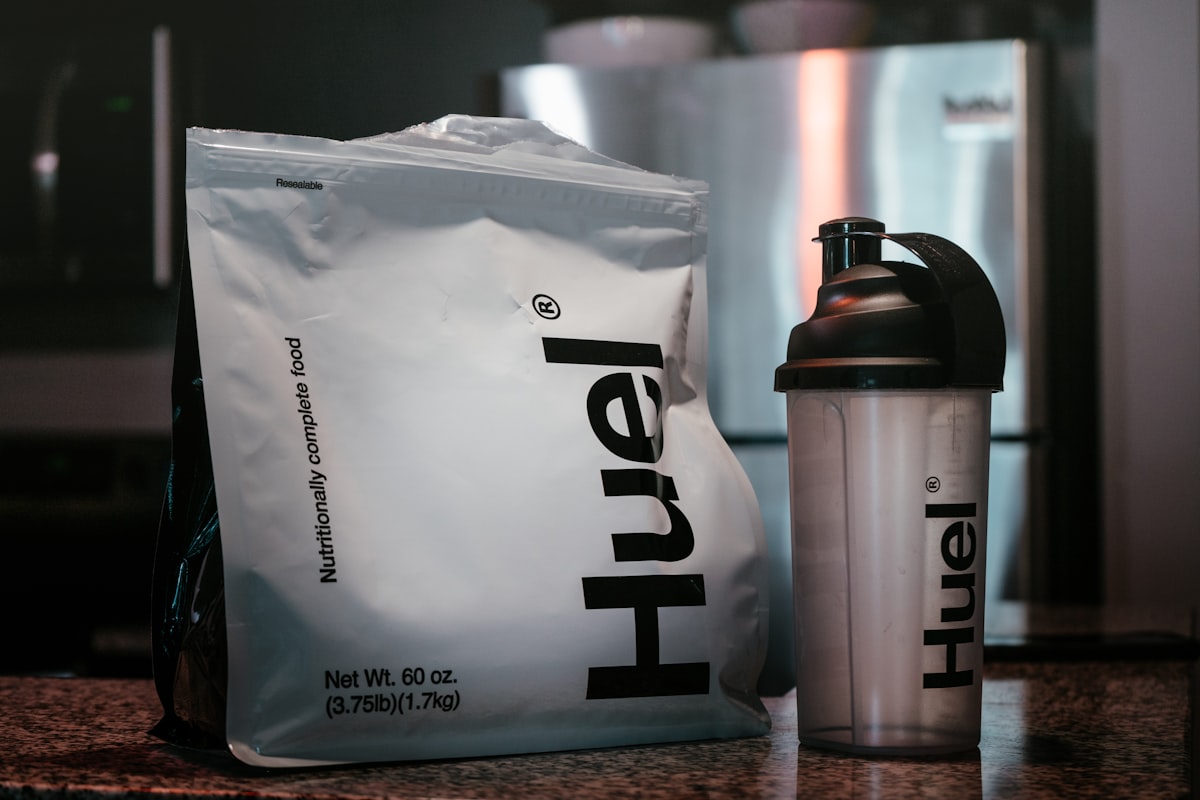
Building Long-Term Nutritional Habits
Explore practical strategies for sustainable nutrition that fits into your lifestyle. Learn meal planning approaches, habit formation techniques, dining out strategies, and how to balance nutrition goals with social and personal preferences for lasting success.
Read MoreSupplementary Learning Resources
Deepen your nutritional knowledge with these specialized guides
Nutrition Labels & Food Information
Master the skill of reading and interpreting nutrition labels. Understand serving sizes, macronutrient breakdowns, ingredient lists, and health claims. Learn how to compare products and make informed food choices that align with your nutritional objectives.
Explore GuidePractical Meal Planning Framework
Develop meal planning skills tailored to your lifestyle. Learn how to structure weekly menus, batch prepare foods efficiently, manage grocery shopping strategically, and adapt plans to accommodate schedule changes, preferences, and nutritional goals.
Explore GuideCommon Dietary Approaches Explained
Understand various dietary frameworks and their applications for men's health. Explore concepts like balanced macronutrient distribution, plant-forward eating, Mediterranean approaches, and flexible dieting. Learn when each might be appropriate and how to implement them effectively.
Explore GuideAge-Specific Nutritional Considerations
Discover how nutritional needs change throughout different life stages. Learn about young adult athletes, active middle-aged professionals, and aging men's specific requirements. Understand how to adjust nutrition strategies to support health priorities at each stage.
Explore GuideFrequently Asked Questions
Common questions about nutrition and dietary guidance
Protein requirements vary based on activity level, body weight, and goals. Generally, inactive men need approximately 0.8 grams per kilogram of body weight. Those engaged in regular resistance training typically benefit from 1.6 to 2.2 grams per kilogram. Individual requirements depend on your specific training program, recovery needs, and health status. Our detailed protein guide explores calculation methods and dietary sources.
Pre-workout nutrition should provide readily available energy without causing digestive discomfort. Meals eaten 2-3 hours before exercise should include carbohydrates and moderate protein. For closer timing (30-60 minutes), consider easily digestible options. Post-workout nutrition benefits from a combination of protein and carbohydrates consumed within a few hours after exercise to support recovery. Our periworkout nutrition article provides specific timing recommendations and food combination strategies based on your training intensity.
Supplements are intended to complement a solid nutritional foundation, not replace it. A well-planned diet should provide the majority of your nutrients and calories. Supplements help address specific gaps or support particular goals that whole foods alone might not fully optimize. Prioritize nutrition fundamentals first—adequate protein, whole-grain carbohydrates, healthy fats, and produce—then consider supplements strategically. Our supplements resource explores which additions might be evidence-supported for your specific objectives.
Your nutrition plan should evolve as your circumstances change. Review your approach every 4-12 weeks based on progress toward your goals, changes in training intensity, life schedule shifts, or performance feedback. Gradual adjustments work better than dramatic overhauls. Sustainable nutrition involves continuous learning and modest refinements rather than constant diet changes. Our long-term habits article discusses how to reassess and adapt your nutrition systematically over time.
Reliable nutrition information comes from peer-reviewed scientific research, government health agencies, established nutritional databases, and credentialed professionals. Look for sources that cite scientific evidence, disclose funding sources, and avoid exaggerated claims. Be cautious of blogs or social media content promoting "miracle" results or selling specific products. Our article collection presents information synthesized from established research to help you build evidence-based understanding of nutrition principles.
Nutrition science is evolving, and nuance often gets lost in simplified messaging. Many apparent contradictions stem from differing contexts, study designs, or individual variability. Focus on well-established principles—adequate protein, whole foods over processed, consistent healthy behaviors—rather than optimizing minor details. Understand that context matters: what works for an elite athlete may differ from what works for someone seeking general wellness. Our resources emphasize fundamental principles that apply broadly while acknowledging individual differences.
What Readers Say
Feedback from those who've used our resources
The protein guide completely changed how I approach my nutrition. I finally understand the science behind timing and amounts. The information is clear, practical, and actually backed by research rather than marketing hype. I've seen consistent results in my training since implementing these strategies.
Budi Santoso
Jakarta, Indonesia
I appreciate how these articles focus on sustainable, evidence-based approaches rather than quick fixes. The meal planning guide helped me build a system that actually fits my lifestyle instead of fighting against my schedule. This is the nutrition education I wish I had years ago.
Ahmad Wijaya
Surabaya, Indonesia
As someone who gets confused by all the conflicting nutrition advice online, I found this resource incredibly helpful. The explanations are detailed enough to be meaningful but not so technical that I can't understand them. The FAQ section alone has answered questions I've had for years.
Rivan Pratama
Bandung, Indonesia
What stands out is the balanced perspective. Nothing here is being sold to me. The resources discuss the actual science, acknowledge individual differences, and focus on helping me make informed decisions. This is exactly what I look for in educational content about nutrition.
Richo Handoko
Yogyakarta, Indonesia
Ready to Expand Your Nutritional Knowledge?
Explore our complete collection of evidence-based articles, guides, and resources designed for men's fitness and nutrition.
Frequently Asked Questions
A muscle-building diet should include adequate protein (0.8-1g per pound of body weight), complex carbohydrates for energy, and healthy fats for hormone production. Combined with progressive resistance training, this creates the optimal environment for muscle growth.
A common guideline is half your body weight in ounces of water per day. However, individual needs vary based on activity level, climate, and metabolism. Most athletes should aim for 3-4 liters daily, adjusting based on thirst and urine color.
Supplements are not essential but can be helpful. Prioritize whole foods first. Evidence-backed supplements like whey protein, creatine, and multivitamins can support your goals when diet alone is insufficient. Always consult healthcare professionals before starting.
Bulking is a caloric surplus phase designed to build muscle mass with resistance training. Cutting is a caloric deficit phase to lose fat while preserving muscle. Both require proper nutrition, training, and recovery to be effective.
Most people notice initial changes within 2-4 weeks of consistent training and nutrition. Significant muscle growth typically takes 8-12 weeks, while fat loss varies by individual. Consistency over months and years yields the best long-term results.
MensFitnessNutritionHub
Your comprehensive resource for men's fitness, nutrition, and wellness guidance backed by science.
Categories
© 2024 MensFitnessNutritionHub. All rights reserved.